












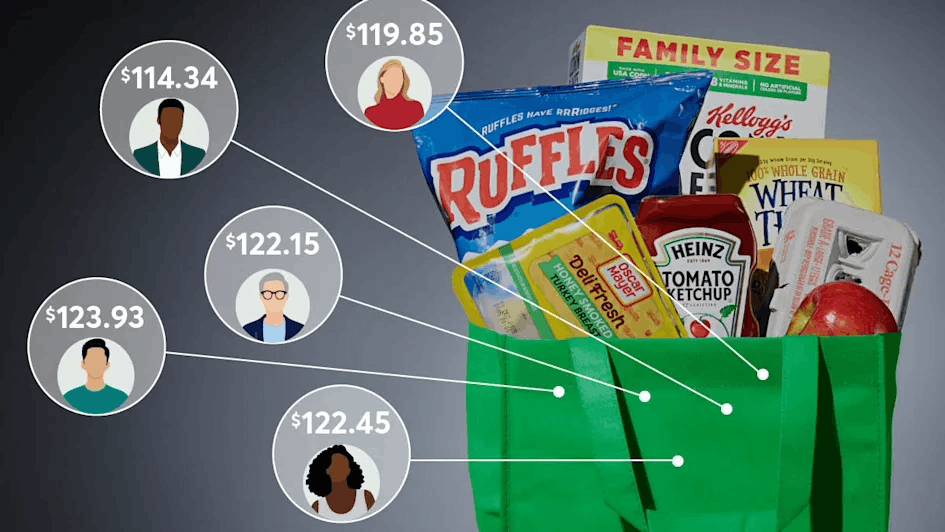
When algorithms set the price, fairness often isn’t part of the equation.
That’s among the key takeaways from a fascinating experiment recently conducted as part of a joint investigation by Consumer Reports, Groundwork Collaborative, and More Perfect Union.
Using Instacart, the researchers had dozens of consumers simultaneously buy the same products from the same store (for pickup, not delivery). What they discovered was both eye-opening and deeply unsettling: The prices offered to these individual consumers varied widely — sometimes by as much as 20% on a single item!
“Two shoppers who are buying the exact same item from the exact same store at the exact same time are getting different prices,” was how Lindsay Owens, executive director of the Groundwork Collaborative, described it.
I’ve previously written about how technology-fueled dynamic pricing can antagonize consumers, as it can make them feel exploited by businesses that are seemingly trying to maximize revenue at every turn.
The AI-enabled price testing used by Instacart is arguably an even more egregious offense, as it’s not motivated by any external, environmental circumstance that could make variable pricing defensible (like rideshare services raising prices during rush hour, so more drivers will be inclined to work and meet the higher demand).
“Algorithmic, AI-driven pricing strategies might raise revenue in the short-term, but erode loyalty in the long-term.”
Furthermore, this is a case of variably pricing goods that people need rather than want. We’re not talking about different prices for the same airline seat or Uber ride. We’re talking about different prices for a box of cereal or a jar of peanut butter.
Not all dynamic pricing is bad (as illustrated by the rideshare example above) – it can, in certain situations, be a useful tool that benefits companies and consumers alike.
But it must be pursued through the lens of fairness. That requires transparency (e.g., rideshare services telling you when surge pricing is in effect) and predictability (e.g., restaurants advertising when diners can enjoy early bird pricing). And it also means resisting the urge to dynamically price non-discretionary goods and services, as that’s a practice that will never end well.
Shortly after Instagram’s pricing experiments were exposed (triggering widespread criticism from both consumers and lawmakers), the company announced that it was ending the use of all AI-driven pricing tests on its grocery delivery platform.
Unfortunately, that’s just one small correction to a much larger, cross-industry trend where companies are relying on algorithms and AI to personalize pricing and maximize revenue. What they may be overlooking, however, is the reputational risk that accompanies such an endeavor: The strategy might raise revenue in the short-term, but erode loyalty in the long-term.
Technology is allowing companies to adjust pricing in increasingly sophisticated and dynamic ways. But just because businesses can do that, doesn’t mean they always should.
Jon Picoult is the founder of Watermark Consulting and author of the Wall Street Journal featured book, “From Impressed to Obsessed.” A former Fortune 100 executive, Princeton-trained in Cognitive Science, Jon helps global brands use the psychology of “memory sculpting” to drive ROI and turn customers into lifelong fans. Follow Jon on LinkedIn / Instagram, or subscribe to his monthly eNewsletter.